In rural India, access to consistent, quality healthcare remains a pressing challenge. Anekal Taluk is no exception—families here often face long travel times, high costs, and inadequate services, especially for chronic illnesses and mental health. This leads to:
The absence of affordable, accessible, and community-based healthcare continues to widen health inequities.
Remedy steps into this gap.
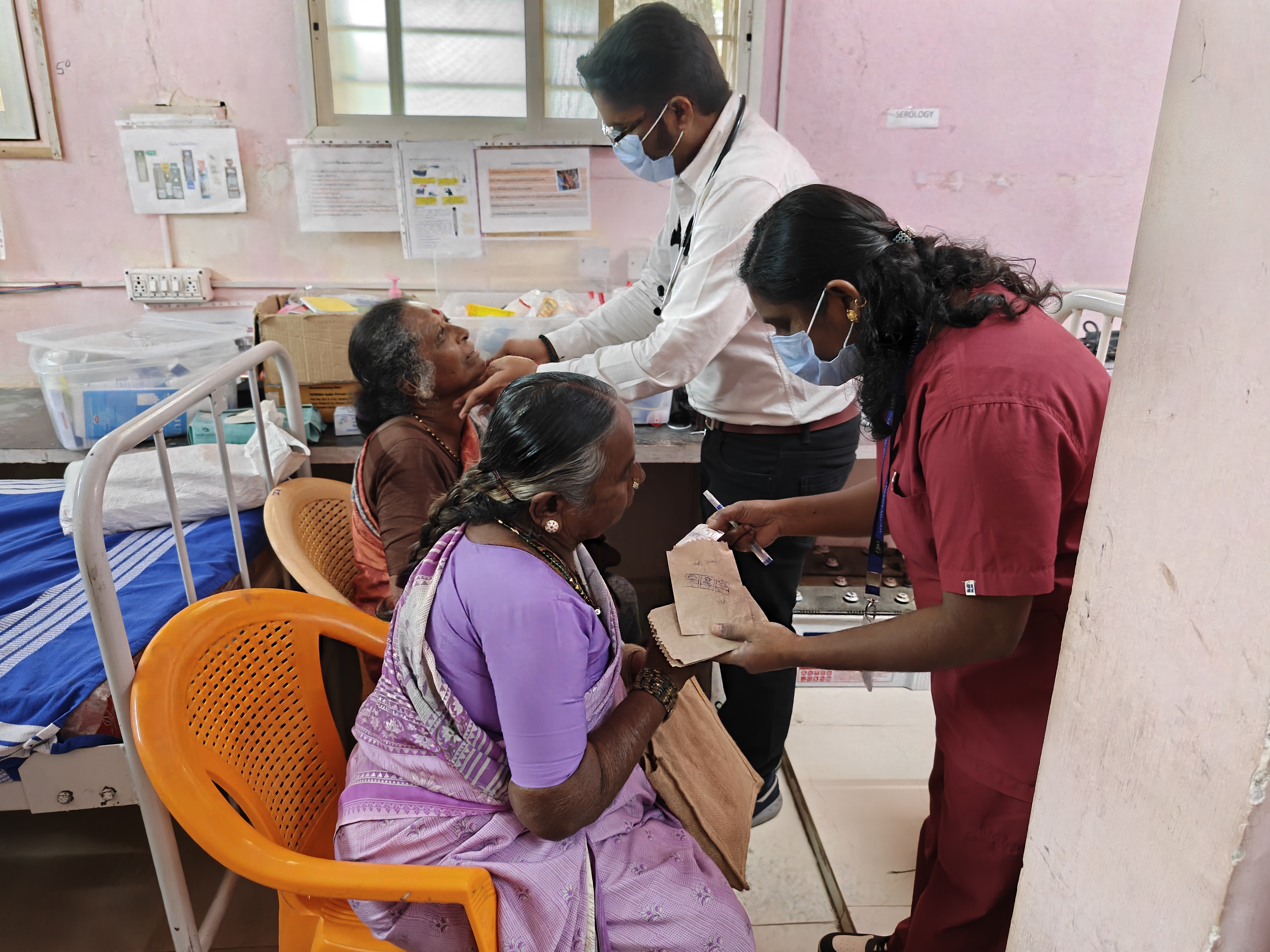
Remedy is One Billion Lives Foundation’s flagship public health initiative, delivering accessible, affordable, and community-rooted healthcare across rural Anekal Taluk. Designed to address the full spectrum of care—from prevention to treatment—it brings together:
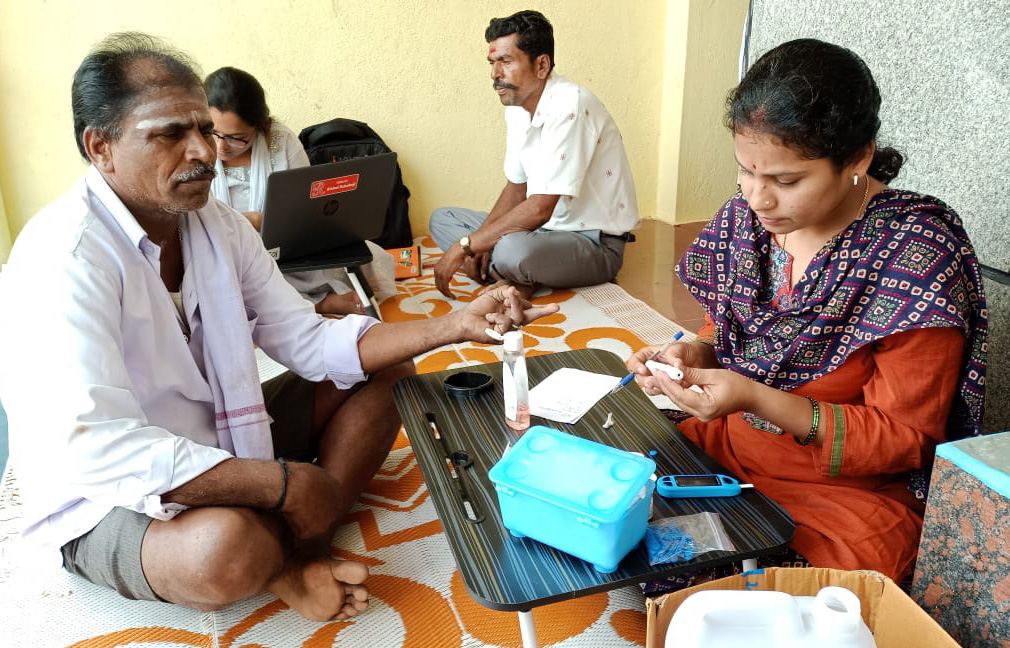
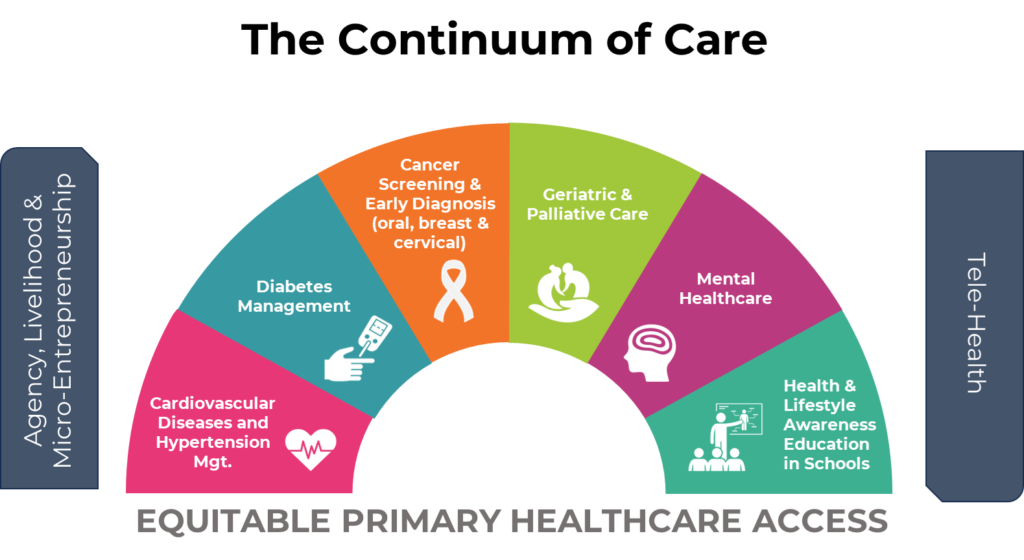
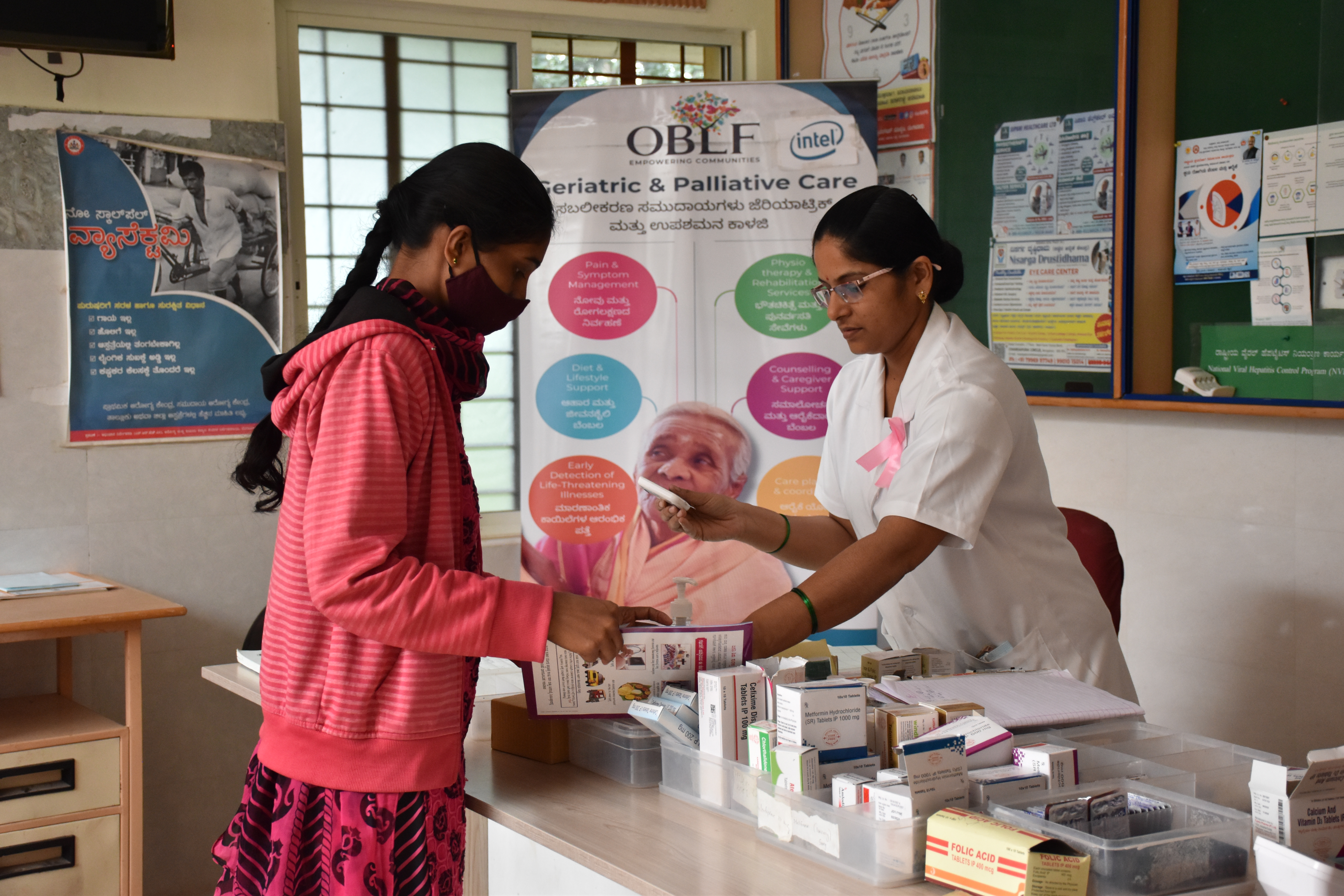
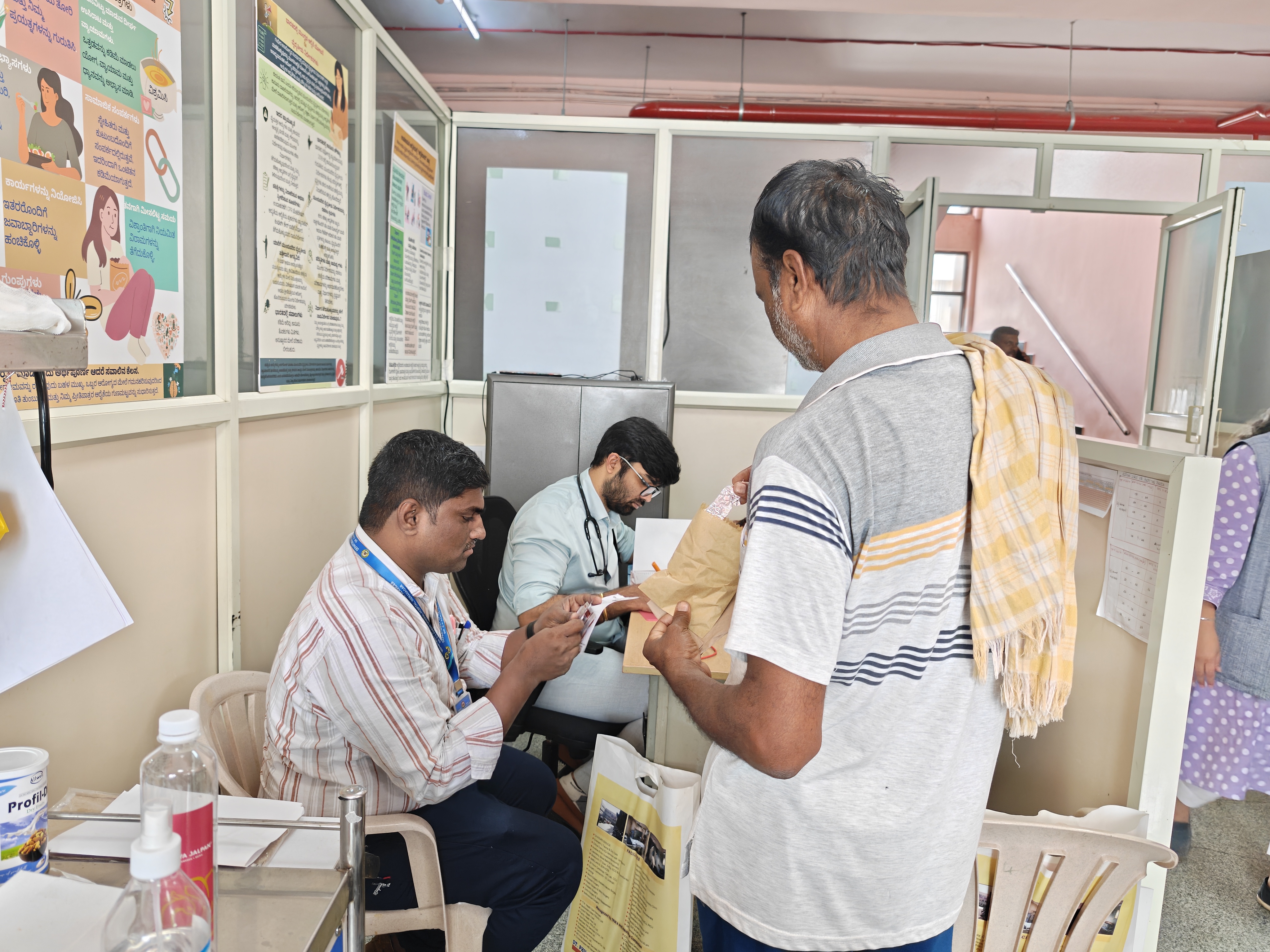
OBLF provides accessible, affordable, and predictable healthcare through an integrated system that adapts to evolving community needs. Key services include:
OBLF’s approach also emphasizes NCD management, mental health integration, and holistic care for older adults and those with LLIs. By addressing both chronic conditions and mental health issues, OBLF ensures early detection, comprehensive treatment, and continuous management to improve community health in Anekal Taluk.
The initiatives under the Remedy program are committed to providing equitable and sustained primary healthcare to the most vulnerable and marginalized populations. By focusing on the prevention and treatment of non-communicable diseases, mental health, geriatric and palliative care, the program directly contributes to achieving the United Nations Sustainable Development Goal of reducing premature mortality from non-communicable diseases by one-third by 2030.
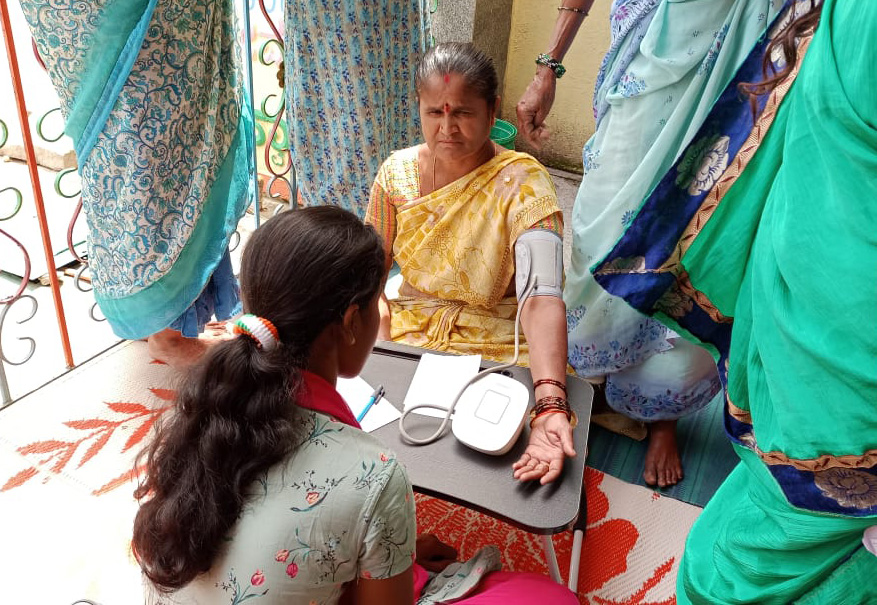
OBLF’s comprehensive public health program serves over 30 remote rural villages, with a combined population exceeding 13,000. The primary healthcare program includes several key components:
The three primary objectives of this program are:
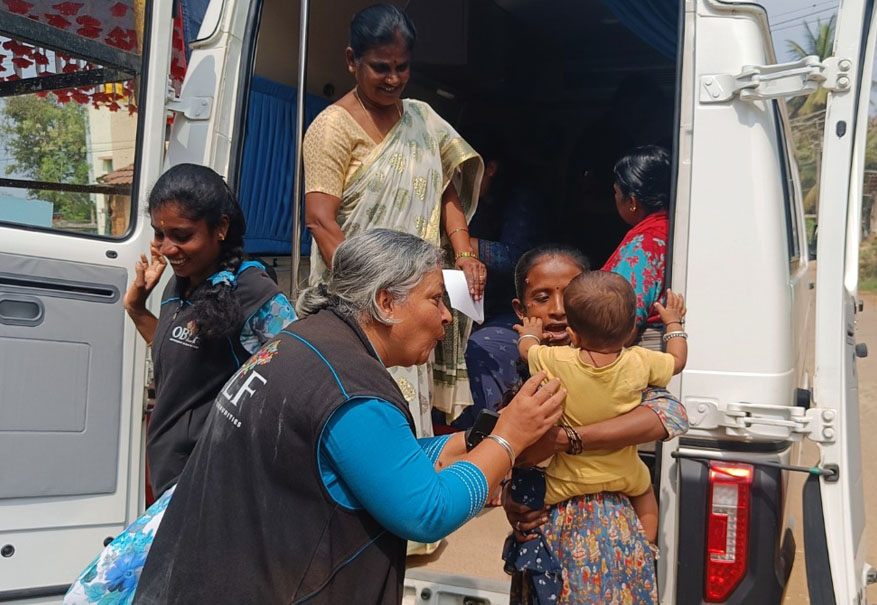
(Supportive care for older adults and those with Life-Limiting Illnesses)
As the global population ages and the burden of chronic and life-limiting illnesses (LLIs) increases, there is a growing need for healthcare systems to respond with compassion, equity, and foresight. This need is especially critical in underprivileged communities, where access to continuous, dignified care is severely lacking.
Climate change further exacerbates this crisis. Elderly individuals—particularly those from marginalized backgrounds—are disproportionately affected during climate events such as heatwaves, flooding, and deteriorating water quality. These events not only strain their fragile health but also expose the inadequacies of healthcare and social safety nets.
In India, catastrophic health expenses push millions into poverty each year. For families with aging members suffering from life-limiting illnesses, the financial and emotional toll is immense. Through a multi-disciplinary approach, GPC supports both patients and their families by:
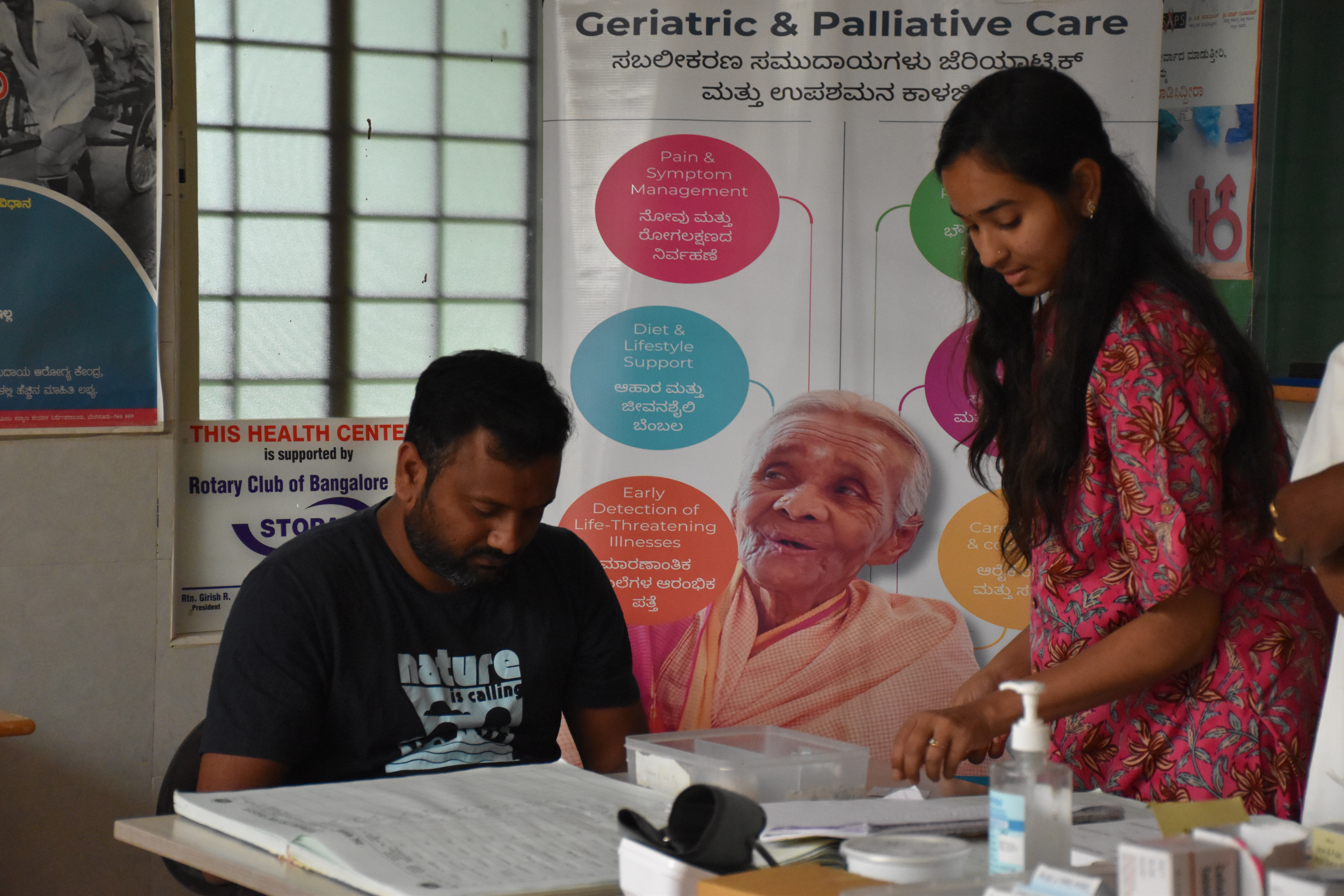
Palliative and geriatric care is rapidly being recognised as a major gap in public health models, being essential for preserving dignity and reducing the suffering of both patients and family members. The value of OBLF’s GPC model lies in its ability to bring holistic, community-rooted care to the doorsteps of those who need it most. It strengthens the healthcare system by directing resources towards communities, where they have the greatest impact—providing relief, dignity, and support to the elderly in their most vulnerable moments.
– A holistic model of care
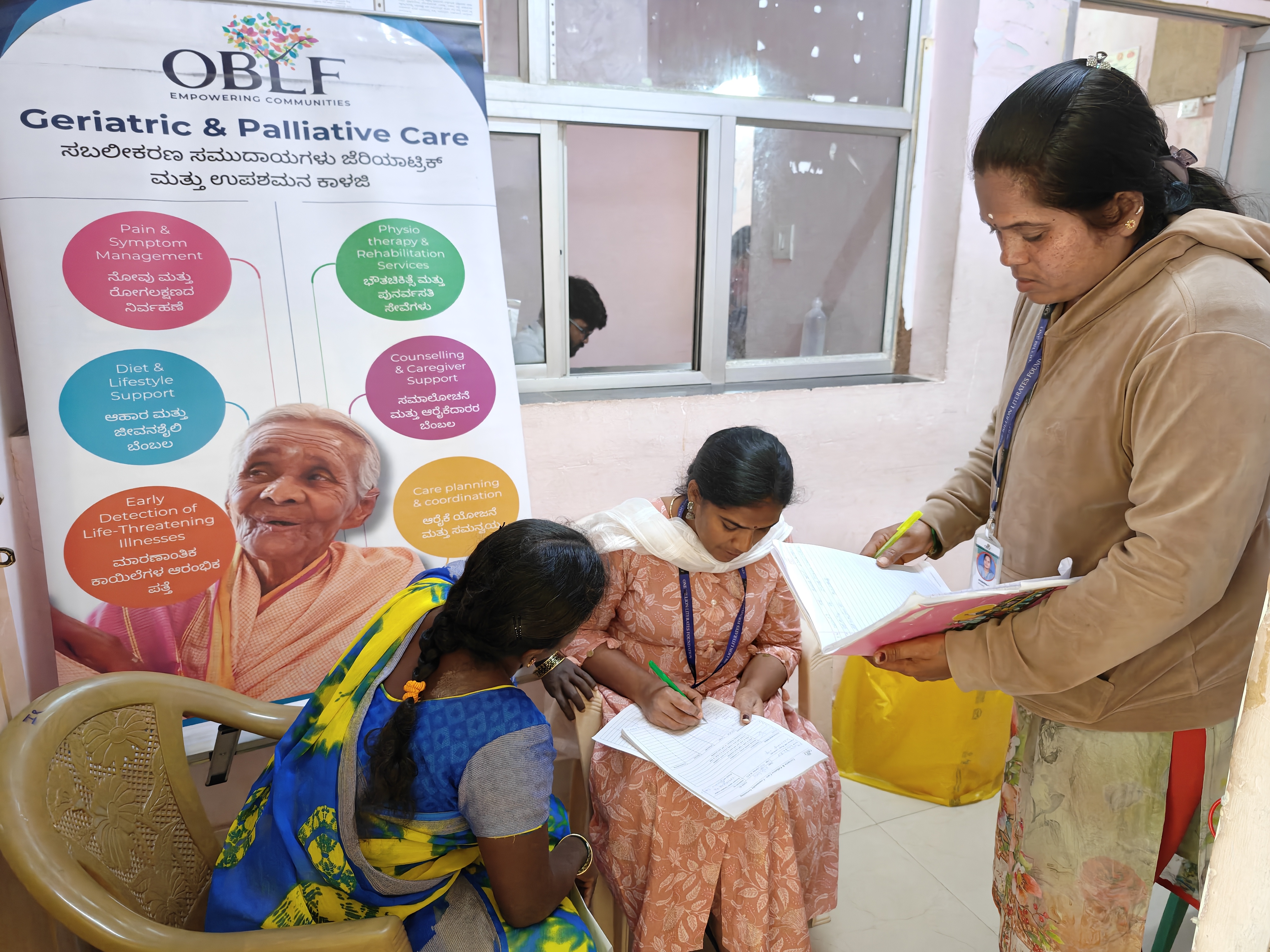
Through its Thrive – Geriatric and Palliative Care (GPC) initiative, One Billion Lives Foundation offers free, specialized care for the elderly and those with chronic or life-limiting conditions. Part of OBLF’s larger public health program, GPC delivers compassionate, community-rooted care that includes:
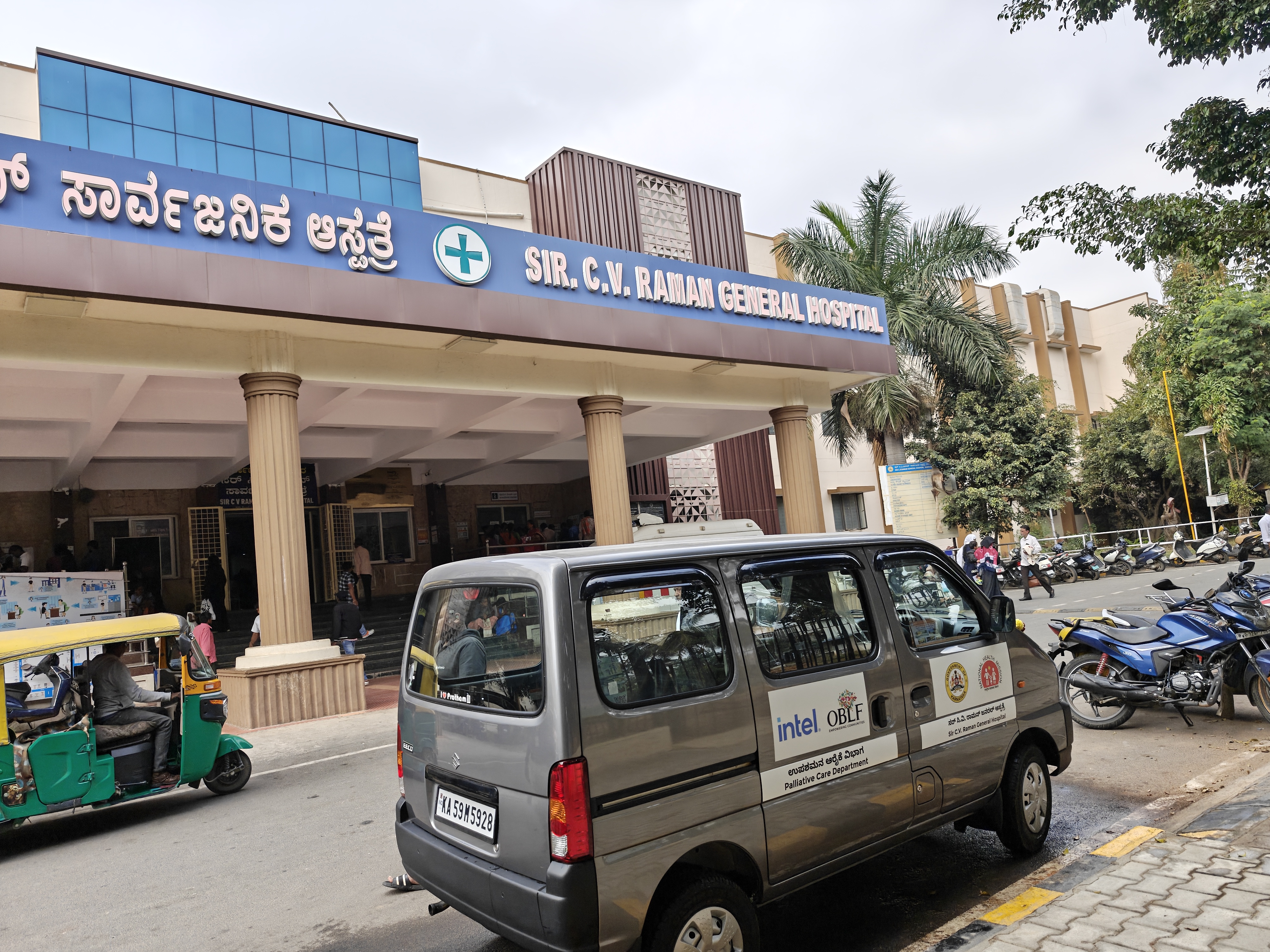
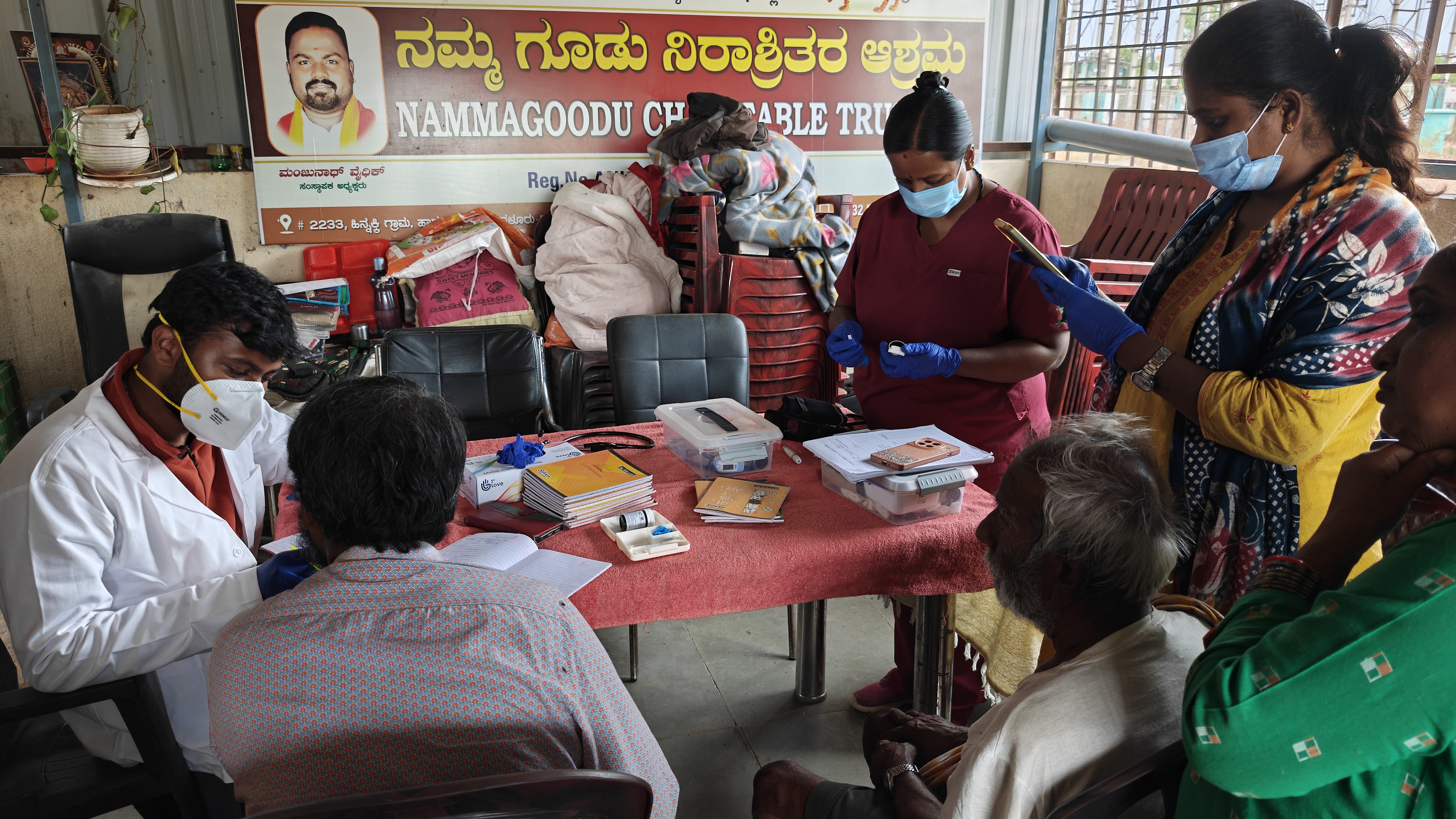
The program began in 2024 with home-based palliative care in Indlavadi and quickly grew into a full-fledged center in Chandapura, Bengaluru. Services now extend to primary health centers, destitute homes, sub-centers, and Anekal Taluk hospital, in partnership with Gram Panchayats, government hospitals, and NGOs.
We are changemakers in education, women’s empowerment, and public health.
We use cookies to improve your experience on our site. By using our site, you consent to cookies.
Manage your cookie preferences below:
Essential cookies enable basic functions and are necessary for the proper function of the website.
Stripe is a payment processing platform that enables businesses to accept online payments securely and efficiently.
Service URL: stripe.com (opens in a new window)
Statistics cookies collect information anonymously. This information helps us understand how visitors use our website.
Google Analytics is a powerful tool that tracks and analyzes website traffic for informed marketing decisions.
Service URL: policies.google.com (opens in a new window)
Marketing cookies are used to follow visitors to websites. The intention is to show ads that are relevant and engaging to the individual user.
A video-sharing platform for users to upload, view, and share videos across various genres and topics.
Service URL: www.youtube.com (opens in a new window)
You can find more information in our Cookie Policy and Privacy Policy.